A rooftop bar puts your bachelorette party next to a dozen other tables. A party bus circles the same downtown blocks for three hours. A private pontoon on Lake Conroe gives your group its own floating venue, open water in every direction, and the option to drop anchor and swim. That last part matters more than people expect - there is no cover charge at a lake island, no waiting list, and no one else's playlist competing with yours. Houston has three distinct bodies of water available for group rentals, each with a different character, and the choice between them shapes the entire event. This guide covers the specifics: which lake fits which group, what Texas alcohol law actually says on the water, which anchor spots reward groups who plan ahead, how to handle the no-glass rule that blindsides first-timers, and how early you need to book before holiday weekends vanish.
Choosing Your Water: Lake Conroe, Clear Lake, or Lake Houston
Three bodies of water serve the Houston group-rental market, and they are not interchangeable.
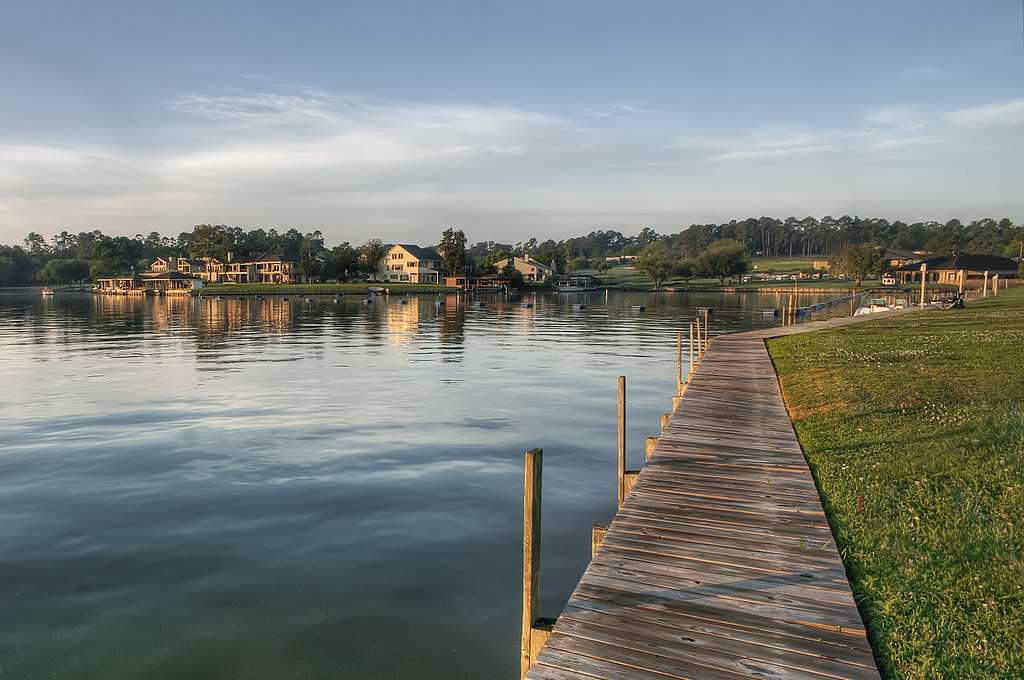
Lake Conroe is the default choice for most party groups. It covers roughly 21,000 acres of enclosed freshwater and sits about 40 miles north of downtown Houston - plan on roughly an hour's drive in moderate traffic, as I-45 can run longer at peak times. That enclosed setting means no tidal surge, predictable water conditions, and consistent anchor depth in swim areas. The shoreline includes marinas, Sam Houston National Forest access, and natural islands reachable only by boat. For birthdays, bachelorettes, and corporate outings where the goal is sun, swimming, and a floating party, Lake Conroe is the most practical choice. One factor worth noting for groups planning a sunset cruise: the San Jacinto River Authority enforces a nighttime speed restriction on Lake Conroe that kicks in after sunset. Check sjra.net for the current posted limit before planning a late-evening itinerary, and budget extra time if your captain needs to run at reduced speed to return to the marina.
Clear Lake is fundamentally different. It is a brackish tidal estuary that connects to Galveston Bay - not an inland lake at all. Groups who book here get open-bay cruising, access to fishing grounds, and genuine wildlife encounters. Dolphin sightings happen regularly. Seabrook Marina on Clear Lake holds approximately 650 slips and is one of the larger yachting facilities on the Gulf Coast, which means multiple departure options even if one provider has a scheduling conflict that afternoon. The tradeoff: conditions on the bay are more variable than on an enclosed lake, and anchoring for a calm swim party is harder to plan reliably. Clear Lake suits groups who want something more like an exploration cruise - particularly those mixing fishing or wildlife watching into the day.
Lake Houston covers approximately 12,000 acres but is known among local boaters for submerged stumps and shallow muddy sections that limit high-speed water sports. It works for calm cruises and fishing. For groups wanting tubes, wakeboards, or a full party atmosphere on the water, it tends to disappoint. Think of it as the quieter option rather than a party destination.
For most birthday and bachelorette groups, Lake Conroe wins on access, infrastructure, and named swim spots. For corporate outings that want something visually distinct - or groups who specifically want bay access and the possibility of dolphins - Clear Lake is worth a direct conversation with a local outfitter who knows the bay well.
How Many People Can Actually Fit?
Every rental boat carries a USCG capacity rating on the hull plate, and rental companies enforce it without exceptions. There is no informal overage, no squeezing in one more person. Going over rated capacity is a federal violation, and any operator who allows it carries personal liability.
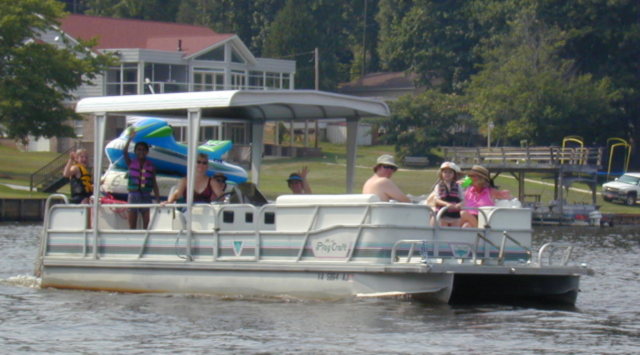
Standard pontoon boats in the Houston area are hull-rated for roughly 10 to 17 passengers depending on the specific model and builder rating. A group of 14 can usually fit on a mid-size pontoon; a group of 20 cannot, regardless of how well everyone gets along. For parties of 20 or more, a larger party barge rated for 25 or more passengers is the only realistic option. These larger boats are fewer in number and book out first on busy weekends, so large groups need to confirm availability early in the planning process.
A few points that catch groups off guard:
- A hired captain counts toward the rated capacity. Subtract one from your usable passenger count when booking a captained rental.
- Children count as full passengers for capacity purposes regardless of age or size.
- Some Houston-area operators apply their own weight-based limits that are more conservative than the hull plate rating. Ask before you pay a deposit.
- Confirm your final headcount before reserving. A group that books a 12-person boat and grows to 16 a week before the trip has a real problem with no easy fix at that point.
When to Book and What It Will Cost
Houston's water is usable year-round, but rental demand concentrates in a handful of weekends. Memorial Day, the Fourth of July, and Labor Day fill first - experienced operators on Houston waters recommend booking at least four to six months ahead for those dates. Waiting until April to plan a Memorial Day pontoon is realistic in most cities; in Houston it usually means finding nothing left worth booking.
Beyond those three peaks, Houston has local demand spikes that generic national guides miss entirely. Juneteenth celebrations in mid-June drive strong weekend demand on Lake Conroe. The Houston Livestock Show and Rodeo window in late February and March brings a wave of corporate and team outings that is not intuitive for a boat rental market. Spring break in mid-March moves fast. Corporate groups also cluster around fiscal quarter ends - late March, late June, and late September - when team event budgets are still available and the weather cooperates.
October through early December and January through February are the true shoulder seasons. More availability, more flexibility on departure time, and pricing that reflects the quieter calendar. The water is cooler for swimming, but a scenic cruise, fishing, or a corporate team outing does not require swimming weather.
On pricing: rates shift by season, day of week, boat size, and captain inclusion. Rather than cite figures that will be outdated, check directly with your Houston rental company for current half-day and full-day package rates. The specific questions to ask: whether fuel is included or billed separately at cost, whether water toys are part of the package or an add-on, and exactly how the captain fee is structured. If you hire a captain and the service is good, a cash gratuity at the end of the trip is standard practice - ask the rental company what guests typically leave if you want a benchmark.
Texas Alcohol Law on the Water - What's Actually Legal
Most party groups assume the water works like a road: open containers anywhere equal a citation. Texas law is different, and understanding the distinction before you leave the dock matters.
Passengers on a recreational boat in Texas can legally drink. Open containers are permitted for anyone who is not operating the vessel. You can hand out drinks the moment you leave the marina.
What is not legal is operating a vessel while intoxicated - Boating While Intoxicated, or BWI. Texas law sets a BAC threshold for vessel operators; exceeding it while at the helm is a criminal offense. Check the current Texas Penal Code or the Texas Parks and Wildlife website for the specific threshold and current penalty schedule, since these figures can be updated by the legislature. Structurally: a first BWI conviction is a misdemeanor carrying meaningful fines and potential jail time, penalties escalate with each subsequent offense, and a third BWI conviction in Texas rises to a third-degree felony. The career and legal consequences at that level are severe.
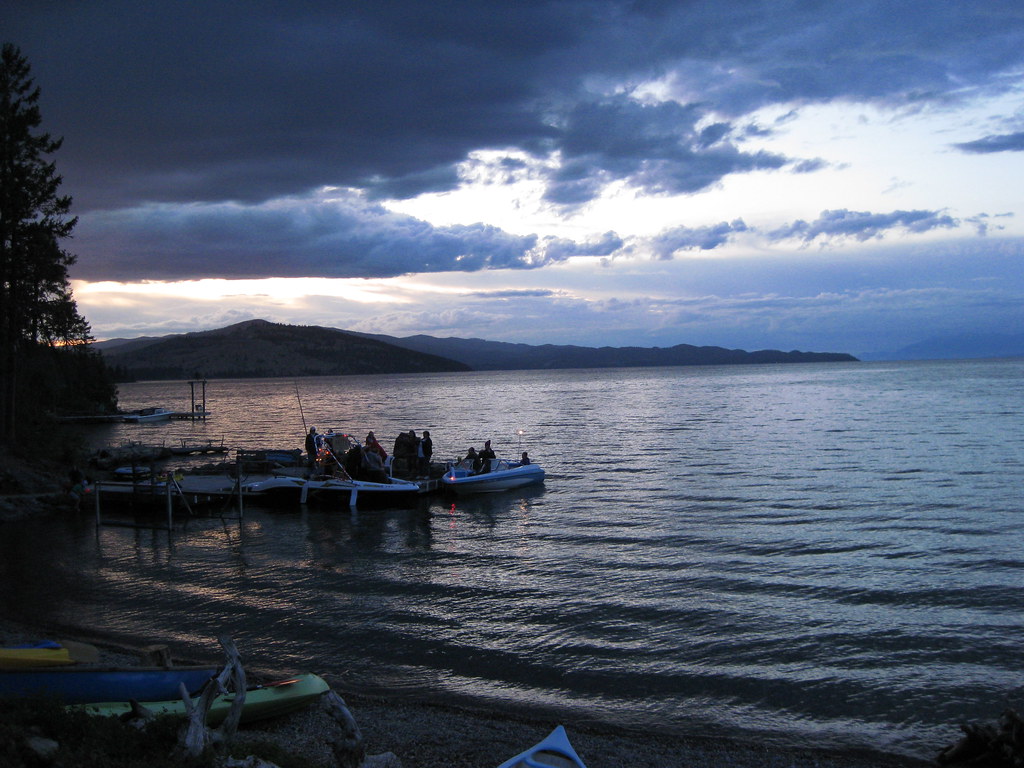
Montgomery County Precinct 1 Constable's Office runs an active marine patrol operation on Lake Conroe. BWI enforcement is consistent. Officers watch no-wake zones and stop boats showing signs of impaired operation on summer weekends. This is not a theoretical risk.
The practical structure for most drinking groups is a captained rental. A professional captain handles all navigation and compliance, freeing the entire group to participate without anyone drawing the short straw to stay sober at the helm for four hours.
One requirement that applies regardless of captain or self-skipper: Texas law requires every child under 13 to wear a USCG-approved life jacket at all times while the boat is underway on a vessel under 26 feet. Confirm with the rental company before departure that correctly sized jackets for younger passengers will be on board.
Best Anchor and Swim Spots for Groups
Ayer's Island near the southern end of Lake Conroe is the go-to group destination on the lake. It is publicly accessible, free, and reachable only by boat - which means no day-trippers walking in from a parking lot. Groups anchor off the island, swim to shore, and spread out for picnicking and socializing. There are no restrooms or built structures on the island, so bring everything you need. On a busy summer weekend the island draws other boaters and has a social, festival-like atmosphere. On a weekday it can be nearly private.
Scott's Ridge Swim Site in Sam Houston National Forest on Lake Conroe's western shore is the better option for larger groups who want facilities. Open April through September, it offers picnic shelters with grills, restrooms, and designated swim access. Contact the Sam Houston National Forest district office to ask about current picnic shelter reservation procedures for larger gatherings before building your itinerary around it. Also confirm current seasonal hours, as opening dates can shift year to year.
Galveston Bay sandbars via Clear Lake offer a genuinely different experience: open water, Gulf breeze, and the possibility of dolphins passing nearby. Sandbar locations shift seasonally, so a local captain with Clear Lake and bay experience is particularly valuable here - do not count on a map to substitute for local knowledge.
The rule that blindsides party groups on Lake Conroe every season: glass containers are prohibited across all lake property, including the islands. No glass wine bottles, no glass beer bottles, nothing in glass. Transfer beverages into cans or plastic containers before you leave the house - not in the marina parking lot with no trash can in sight. The rule is enforced, and the fine lands on whoever brought the glass.
What to Bring Beyond the Basics
Decorations work on pontoon railings when attached properly. Balloon garlands mounted with zip ties or bungee cord at multiple anchor points hold well on the water. Individual helium balloons do not survive lake wind - they are gone within minutes. Use painter's tape on interior surfaces instead of standard packing tape; regular tape leaves adhesive residue that rental companies charge to remove.
Hard-sided insulated coolers outperform soft-sided ones when you are keeping drinks cold for five or six hours in Houston summer heat. Canned drinks and plastic bottles are required on Lake Conroe regardless of cooler type, so the container decision is largely made for you.
Audio quality on rental boats is inconsistent. Some boats have strong, well-positioned onboard sound systems. Others have a single deck speaker that gets swallowed by wind noise at cruising speed. A fully charged waterproof portable speaker is good insurance either way. Ask the rental company about onboard audio capacity before your departure day so you know what to plan around.
Sun exposure on open water is more serious than most groups expect heading into it. Water reflects UV from below and above at the same time, and a four-hour afternoon on Lake Conroe in July is not comparable to a few hours at a shaded patio. Bring reef-safe sunscreen and plan to reapply regularly. Wide-brim hats and lightweight UPF shirts help for anyone who burns easily. Most pontoon bimini tops cover a portion of the seating area, not all of it, and afternoon sun angles reduce even that coverage as the day progresses. Do not plan for shade to solve the problem.
Captain vs. Self-Skippered for Party Groups
Texas Parks and Wildlife law requires anyone born on or after September 1, 1993 to hold a completed boater education certificate to legally operate a motorboat over 15 horsepower on Texas public waters. Rental companies verify this before handing over a self-skippered boat to an operator who falls within that date range. If no one in the group holds the certificate, the Texas boater education course is available online and satisfies the requirement - but it takes hours to complete, so handle it well before the trip date, not the night before.
Even with the certificate sorted, self-skippering assigns the full operating burden to one person for the duration of the rental. That person navigates, watches depth and no-wake zones, reads the water, and stays sober. On Lake Conroe with consistent marine patrol activity, they carry personal legal liability if anything goes wrong. For groups where drinking is part of the plan, asking one person to absorb that role often becomes awkward.
A hired captain costs more upfront but changes the structure of the day entirely. The whole group participates without a designated sober operator. When vetting a captain, ask specifically how many years they have operated on your intended lake, whether they carry their own liability coverage, and whether they can accommodate your specific itinerary - anchor stops, swim time, and any particular destinations. A captain who has run Ayer's Island dozens of times knows exactly where to set the anchor for the right depth and shore access without guessing.
Booking Checklist and Final Tips
Work through this sequence before your trip date to avoid the most common failure points for group boat events in Houston:
- Confirm headcount first. Capacity limits make "roughly 15, maybe more" an unusable answer when reserving a boat. Know your number, commit to a boat size that fits it, and leave a small buffer for expected additions rather than scrambling after booking.
- Book as early as possible. Six months out for Memorial Day, Fourth of July, and Labor Day weekends. Two to three months for regular summer Saturdays on Lake Conroe. The calendar fills faster than most first-timers expect, especially for large-capacity boats.
- Get the package details in writing. What is included: fuel, water toys, safety equipment, captain? What is billed separately at the end? Ask specifically, and get the answer in writing before paying a deposit.
- Read the weather rescheduling policy. Houston summer afternoons produce thunderstorms with little warning. Know in advance who makes the call to reschedule, how much notice is required to avoid a cancellation fee, and whether a same-season reschedule is available.
- Settle the boater education card situation early. If you plan to self-skipper, confirm which person in the group holds a valid Texas certificate before you pay anything. Do not assume.
- Tell the rental company about children at booking time. Life jackets in small sizes need to be on board before departure. The rental company may need advance notice to prepare them.
- Repack coolers before you leave the house if you are going to Lake Conroe. Cans and plastic only - no glass. Reorganizing in the marina parking lot wastes time and creates a disposal problem.
- Arrive early. Check-in, safety briefing, and paperwork take real time. Arriving exactly at your departure time with 14 people and a loaded cooler cuts directly into time you have already paid for on the water.
- Plan the captain's gratuity. Cash at the end of the trip is the standard approach if service was good. Ask the rental company what guests typically leave if you want a starting point, and bring enough cash to handle it without scrambling.